
A Detailed Exploration
Theranos, once celebrated as a pioneering healthcare technology company, has become a cautionary tale about ambition, deception, and the consequences of misleading investors and patients. Founded in 2003 by Elizabeth Holmes, the company aimed to revolutionize blood testing with its innovative technology. However, the reality was far from the promises made, leading to its eventual downfall.
Founder Details: Elizabeth Holmes
Elizabeth Holmes was born on February 3, 1984, in Washington, D.C. Raised in a family with strong ties to government and business, she displayed entrepreneurial tendencies early on. After briefly attending Stanford University, where she studied chemical engineering, Holmes dropped out at 19 to pursue her vision for Theranos. Inspired by her fear of needles and the desire to make blood testing less invasive, she founded the company initially named Real-Time Cures.
Holmes’s charisma and ambition attracted an impressive board of directors, including influential figures like former U.S. Secretary of State George Shultz and former Defense Secretary William Perry. This high-profile backing helped secure substantial investments and lent credibility to her vision.
Funding Details
Theranos’s funding journey began with an initial investment of $6.9 million in 2004. Over the next decade, the company raised approximately $724 million from venture capitalists and private investors. By 2014, Theranos reached a peak valuation of $10 billion, making it a “decacorn.” Despite its impressive financial backing, the company’s claims about its technology remained largely unproven.
Holmes often insisted on keeping details about Theranos’s technology secretive, which intrigued investors but also raised concerns about transparency. The allure of a revolutionary product fueled investor enthusiasm despite the lack of concrete evidence supporting its efficacy.
The Technology: Claims vs. Reality
Theranos claimed to have developed a device called Edison that could perform hundreds of blood tests using just a few drops of blood. This promise was revolutionary; existing technologies required vials of blood for each test. However, investigations revealed that many tests advertised by Theranos could not be performed accurately on the Edison machine. In fact, results from the few tests it could handle were often flawed and unreliable.
The turning point came in 2015 when investigative journalist John Carreyrou of The Wall Street Journal began probing into Theranos’s operations. His revelations prompted further scrutiny from regulatory bodies and medical professionals who questioned the validity of Theranos’s claims.
The Downfall: Unraveling the Fraud
By mid-2016, regulatory investigations had begun to expose serious flaws in Theranos’s practices. The Centers for Medicare & Medicaid Services (CMS) issued warnings about patient safety concerns related to Theranos’s tests. As investigations intensified, partnerships with major retailers like Walgreens were terminated.
In March 2018, both Holmes and former president Ramesh “Sunny” Balwani were charged with fraud by the Securities and Exchange Commission (SEC). They were accused of deceiving investors out of hundreds of millions by making false claims about their technology’s capabilities and financial performance.
In June 2018, a federal grand jury indicted Holmes and Balwani on nine counts of wire fraud and two counts of conspiracy to commit wire fraud. Holmes stepped down as CEO but remained chairwoman of the board during this tumultuous period.
Legal Consequences
Holmes’s trial began in late 2021 and culminated in January 2022 when she was convicted on four counts related to defrauding investors. In November 2022, she was sentenced to over eleven years in prison for her role in the fraud scheme. Balwani faced similar legal challenges; he was convicted on all counts against him in July 2022 and sentenced to nearly thirteen years in prison.
Lessons Learned from Theranos
The story of Theranos serves as a stark reminder of several critical lessons:
- Transparency is Essential: Startups must maintain transparency with investors and stakeholders; concealing information can lead to severe repercussions.
- Due Diligence is Crucial: Investors should conduct thorough due diligence before investing; relying solely on charisma or impressive resumes can lead to significant financial losses.
- Regulatory Compliance is Non-Negotiable: Companies operating in healthcare must adhere strictly to regulatory standards to ensure patient safety.
- Support Whistleblowers: Encouraging an organizational culture that supports whistleblowing can help identify issues early before they escalate.
- Avoid Cult-like Leadership: A healthy corporate culture should promote open dialogue and critical questioning rather than suppress dissent.
Conclusion
The rise and fall of Theranos encapsulates both innovation’s potential and its pitfalls. Elizabeth Holmes’s journey from a promising entrepreneur to a convicted fraudster highlights how ambition without integrity can lead to devastating consequences—not just for individuals but for an entire industry. As we reflect on this cautionary tale, it becomes clear that ethical practices must accompany innovation to foster sustainable success in any venture.
Further Reading
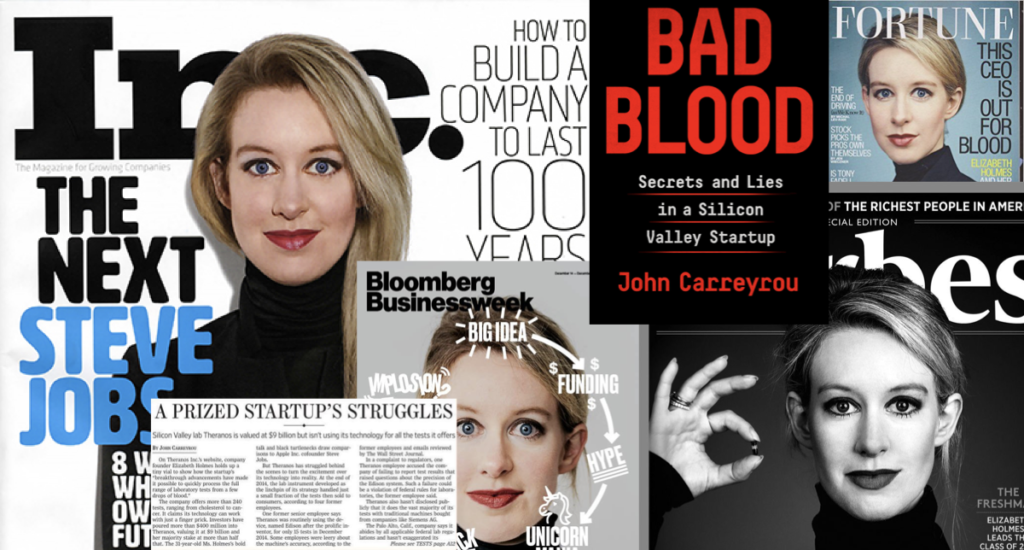
For those interested in diving deeper into this compelling story, John Carreyrou’s book Bad Blood: Secrets and Lies in a Silicon Valley Startup provides an exhaustive account of the rise and fall of Theranos, offering insights into corporate malfeasance and the human stories behind this scandalous saga.